


As national teams battle intense heat and humidity across North America for the 2026 FIFA World Cup, the world’s biggest sportswear giants are putting their latest sustainability innovations to the ultimate test. This year, Nike and Adidas have moved beyond basic “recycled plastic bottle” narratives, deploying elite national team kits engineered natively from 100% recycled textile waste.
With global sports apparel facing increasing scrutiny over microplastics and waste management, the 2026 tournament marks a major pivot point: the introduction of high-performance, closed-loop circular garments on the world’s biggest stage.
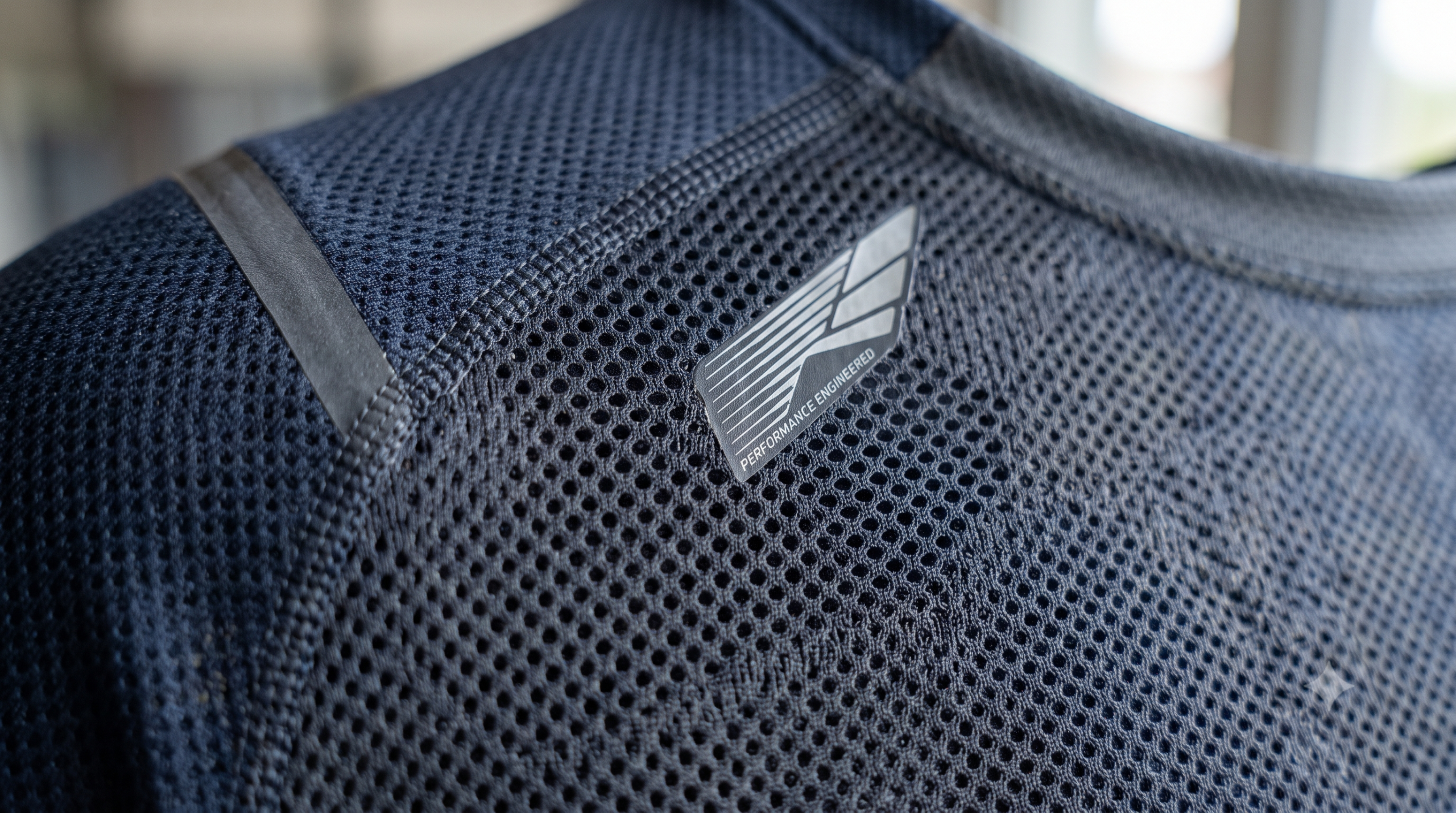
The scorching summer temperatures sweeping across host cities in the US, Mexico, and Canada have made thermal regulation the primary focus for apparel design. Nike’s breakthrough Aero-FIT technology, worn by heavyweights like France and the USA, was refined inside advanced environmental testing labs using thermal chambers and motion-capture systems. The goal was to eliminate weight and maximize breathability without relying on virgin synthetics.
“Nike exists to make athletes better, and our breakthrough Aero-FIT technology delivers the future of our industry-defining apparel innovation in both elite performance and sustainability at scale,” noted Janett Nichol, VP of Apparel & Advanced Digital Creation Studio Innovation at Nike.
Adidas has rolled out a parallel strategy, utilizing body-mapping mesh zones tailored specifically to counter player fatigue. Both brands have engineered these garments to ensure that environmental responsibility does not come at the expense of athletic efficiency.
For nearly a decade, sports brands used recycled polyethylene terephthalate (rPET)—derived primarily from single-use water bottles—as their primary proof of eco-consciousness. However, sustainability experts have increasingly criticized this practice as a temporary fix, given that polyester garments still shed synthetic microfibers and eventually end up in landfills. The 2026 World Cup kits represent a technological evolution: textile-to-textile recycling.
Nike’s Aero-FIT kits represent the first time elite professional athletes are competing in garments created entirely from post-consumer and manufacturing textile scraps via advanced chemical recycling. Building on its milestone achievement where nearly all polyester used across its global lines is recycled, Adidas is aggressively targeting a circular production model. The brand aims for 10% of its total polyester volume to originate strictly from recycled textile waste by 2030, reducing reliance on fossil fuels and external waste streams.
While 100% recycled textile kits are a massive milestone for commercial sportswear, the environmental impact of the textile industry remains a complex challenge. Synthetic garments, even when recycled, still require heavy energy inputs during chemical processing and continue to shed microplastics during wash cycles.
However, by scaling closed-loop textile recycling for elite athletes, brands are demonstrating that circular manufacturing can handle the physical rigor of a World Cup match. The hope is that this elite tech will quickly trickle down to commercial fan jerseys and everyday athletic wear. For a tournament deeply criticized for its overall massive carbon footprint, the progress visible on the backs of the players represents a tangible step forward. The challenge now is moving textile circularity from a specialized tournament showcase to the global standard.