

As temperatures rise sharply across France during this year’s Roland-Garros, the French Open is once again highlighting the growing impact of climate change on professional tennis and global sport.
Players, fans and organisers at the Paris Grand Slam are facing increasingly difficult conditions as extreme heat becomes more frequent during major outdoor sporting events. Courts at Roland-Garros have experienced intense daytime temperatures, raising renewed concerns around athlete welfare, scheduling and the long-term future of summer tournaments in Europe.
The issue is becoming increasingly familiar across the tennis calendar. In recent years, the Australian Open, US Open and several ATP and WTA events have all faced criticism and operational challenges linked to extreme heat conditions. But the situation at Roland-Garros is particularly significant given the tournament’s position as one of the sport’s most iconic clay-court events.
France is among several European countries experiencing more frequent and intense heatwaves linked to climate change. Scientists continue warning that rising global temperatures are increasing both the frequency and severity of extreme weather events, with sport becoming increasingly exposed to these risks.
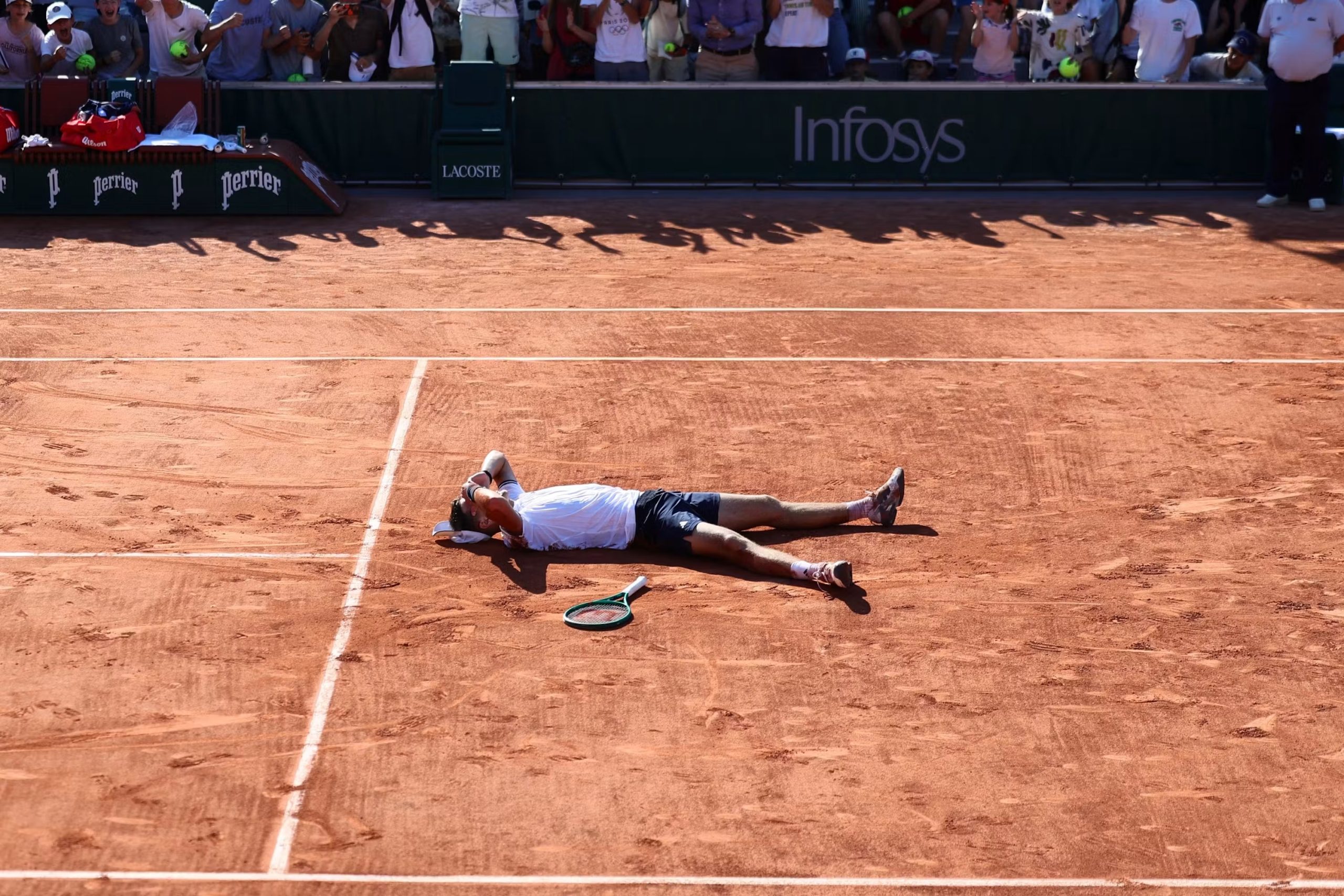
For tennis players, extreme heat creates major physical challenges. Long matches played on clay courts under direct sunlight can significantly increase dehydration risks, cardiovascular stress and fatigue. Court surface temperatures can also rise substantially higher than official air temperatures, further intensifying conditions for athletes.
Several players have previously raised concerns over heat management during Grand Slam events, with growing calls for stronger player protection measures, longer recovery periods and more flexible scheduling during extreme weather episodes.
Roland-Garros already benefits from modern infrastructure improvements, including retractable roofs over Court Philippe-Chatrier and Court Suzanne-Lenglen, helping organisers manage some weather-related disruptions. However, heat remains more difficult to mitigate during daytime outdoor play across the wider tournament grounds.
The growing climate challenge is also affecting spectators. Long queues, limited shaded areas and high temperatures across fan zones can create difficult conditions for attendees, particularly during peak afternoon sessions.
As a result, sports governing bodies are increasingly being forced to rethink how major tournaments operate in a warming climate. Discussions around earlier start times, longer heat breaks, expanded cooling protocols and revised tournament calendars are becoming more common across professional tennis.
Climate adaptation is also emerging as a broader issue for the future of global sport. From football and marathons to cricket and athletics, organisers across multiple disciplines are being forced to confront how extreme heat could reshape sporting calendars, infrastructure and athlete safety standards.
At the same time, sustainability expectations around major sporting events continue rising. Tournament organisers are facing increasing pressure not only to protect athletes and fans from climate-related risks, but also to reduce the environmental footprint of global sports events themselves.
Roland-Garros has introduced several sustainability initiatives in recent years, including waste reduction measures, sustainable mobility programmes and efforts to improve energy efficiency across tournament operations. However, the extreme temperatures affecting this year’s tournament serve as a reminder that climate adaptation is rapidly becoming just as important as sustainability commitments.
The broader challenge facing tennis is no longer theoretical. As global temperatures continue rising, extreme heat is becoming an operational reality for some of the sport’s biggest tournaments.
For Roland-Garros and the wider tennis world, the question is increasingly clear: how can the sport continue thriving during the European summer as climate conditions become progressively more extreme?