


The 2026 FIFA World Cup in the United States, Canada and Mexico is expected to become the biggest football tournament in history. With 48 teams, 104 matches and millions of travelling fans spread across three countries and multiple climate zones, the tournament also faces mounting scrutiny over its environmental footprint and climate resilience.
While FIFA has increasingly highlighted sustainability commitments in recent years, critics argue that the scale and geography of the 2026 World Cup could make it one of the most carbon-intensive sporting events ever staged.
The expanded format alone significantly increases logistical complexity. Teams, officials, media and supporters will travel thousands of kilometres between host cities stretching from Vancouver to Mexico City and from Miami to Los Angeles. Unlike previous tournaments concentrated within a single country or region, the North American edition will rely heavily on long-haul flights and extensive domestic air travel.
Transport emissions are expected to represent one of the largest environmental challenges of the tournament. Aviation already accounts for a substantial share of global sports-related emissions, and the distances involved in the 2026 World Cup could intensify concerns around football’s growing climate impact.
The tournament also arrives at a time when extreme weather events are becoming increasingly common across North America. Several host cities are already experiencing more intense heatwaves, storms, drought conditions and wildfire risks linked to climate change.
Summer heat is emerging as one of the most significant operational concerns. Cities including Dallas, Houston, Atlanta and Miami regularly experience high temperatures and humidity levels during June and July, the traditional World Cup period. Scientists and athlete welfare experts have increasingly warned about the health risks associated with elite competition in extreme heat conditions.
The issue is particularly relevant given FIFA’s recent experience with climate adaptation. The 2022 World Cup in Qatar was moved to winter specifically because of concerns over dangerous summer temperatures. While North American stadium infrastructure is generally more advanced, the 2026 tournament could still face difficult scheduling and player welfare decisions if temperatures continue rising.
Many of the selected venues do benefit from modern infrastructure, including enclosed stadiums, advanced cooling systems and public transportation networks. However, environmental groups continue questioning whether technological mitigation alone can offset the tournament’s overall climate footprint.
Water consumption is also likely to become an important topic during the competition. Several host regions in the United States and Mexico are already dealing with long-term drought pressures and increasing water scarcity. Maintaining stadium operations, hospitality services and fan zones during peak summer conditions could intensify resource management challenges.
At the same time, organisers are under growing pressure to demonstrate credible sustainability strategies rather than relying heavily on carbon offsetting programmes. Environmental campaigners have become increasingly critical of major sporting events claiming “carbon neutrality” without substantial direct emissions reductions.
The sports industry more broadly is facing rising expectations around climate accountability. Football clubs, leagues and international federations are increasingly being asked to publish transparent emissions data, adopt science-based climate targets and reduce dependence on fossil-fuel-heavy operations.
For FIFA, the 2026 World Cup represents both a challenge and an opportunity. The tournament’s unprecedented scale creates major environmental risks, but it also offers a platform to accelerate sustainability innovation across global sport.
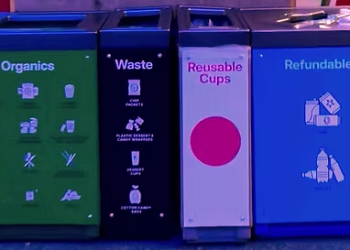
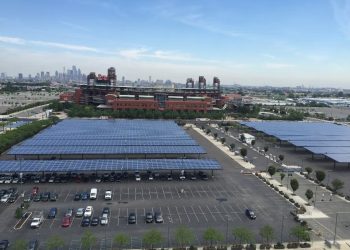
Areas likely to receive particular attention include low-carbon transport solutions, sustainable stadium operations, renewable energy integration, waste reduction strategies and more climate-resilient event planning.
Some host cities are already positioning the tournament as an opportunity to invest in greener urban infrastructure and public transportation improvements that could extend beyond the competition itself.
The broader question surrounding the 2026 World Cup may ultimately go beyond football. As climate change increasingly affects global sporting calendars, athlete safety and infrastructure planning, major events are becoming a test case for how international sport can operate in a carbon-constrained future.
The success of the tournament may therefore be judged not only by attendance figures and television audiences, but also by whether the world’s biggest sporting event can demonstrate meaningful progress on sustainability at a time when climate pressures on sport continue to intensify