


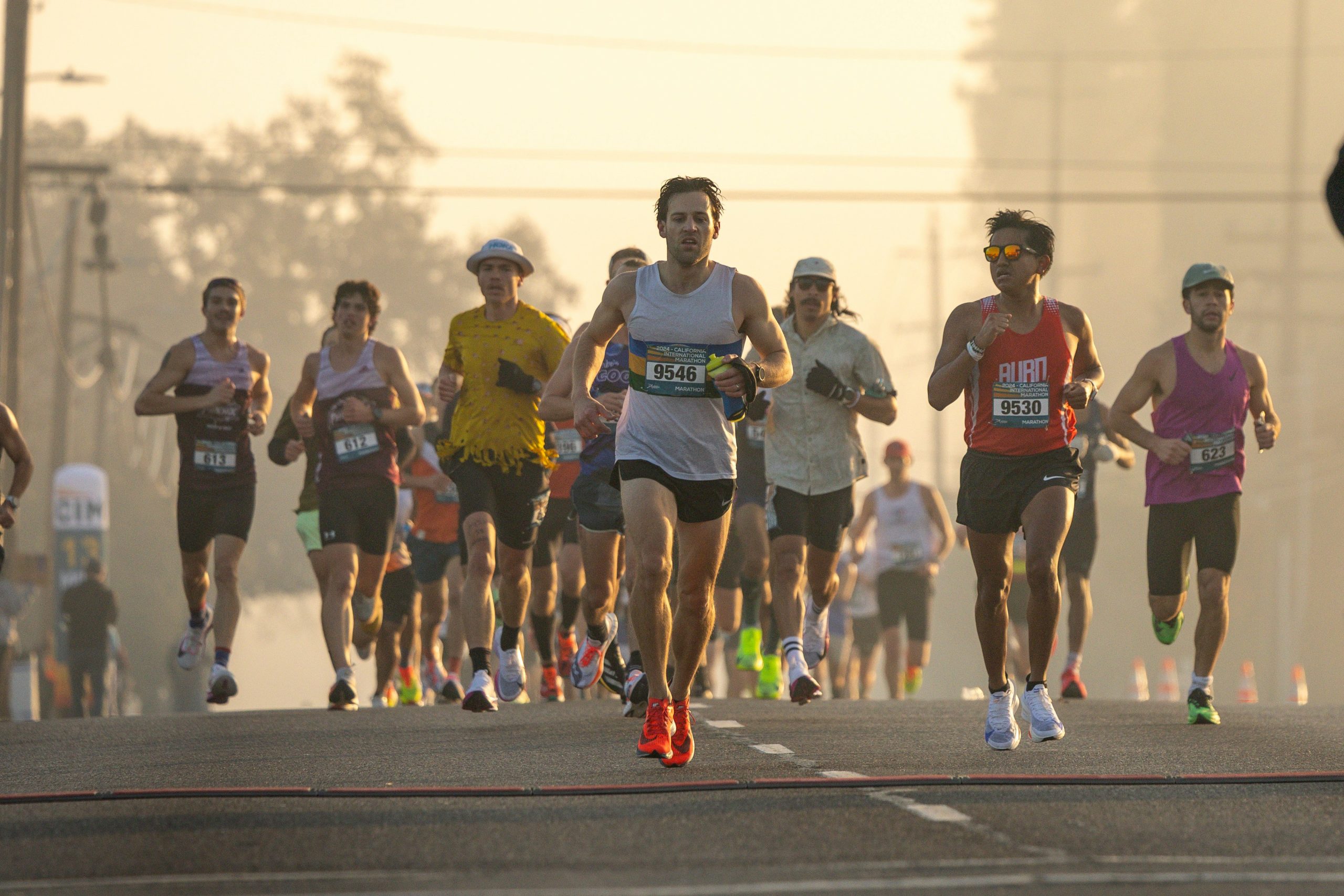
Climate change is rapidly becoming one of the biggest challenges facing the global marathon industry, forcing organisers, athletes and host cities to rethink how endurance events are staged in a warming world.
From rising temperatures and worsening humidity to deteriorating air quality and more frequent extreme weather events, the traditional formula behind some of the world’s most iconic races is increasingly under pressure. What was once considered exceptional weather for a marathon is gradually becoming more common, raising concerns over athlete safety, race logistics and long-term viability.
The conversation has accelerated significantly over the past few years as several major races experienced unusually difficult weather conditions, while scientists and sports researchers continue warning that the window for ideal marathon racing temperatures is shrinking globally.
For elite runners, the consequences are immediate. Higher temperatures increase cardiovascular stress, dehydration risks and fatigue while also reducing performance levels. For amateur runners, who make up the overwhelming majority of marathon participants worldwide, the health risks can be even greater, particularly during long periods of heat and humidity.
As a result, organisers are increasingly being forced to adapt. Earlier start times are becoming more common, with some races now beginning before sunrise in an effort to avoid peak daytime temperatures. Others are exploring moving race dates deeper into autumn or earlier into spring to maintain safer conditions.
The issue gained global attention during the Tokyo Olympic Games, when organisers relocated the marathon from Tokyo to Sapporo due to concerns over extreme summer heat. The decision highlighted how climate considerations are now directly influencing major sporting event planning at the highest level.
Beyond scheduling, race infrastructure itself may also need to evolve. Marathon organisers are increasingly looking at additional hydration stations, cooling zones, shaded sections and improved medical response systems as standard operational requirements rather than optional additions.
Air quality is also emerging as a growing concern. Wildfire smoke and pollution events are becoming more frequent in several regions that regularly host endurance races. For runners pushing their cardiovascular systems over 42 kilometres, poor air quality can significantly increase respiratory strain and health risks.
The growing climate challenge is also accelerating innovation across the sports performance industry. Elite athletes are investing more heavily in heat acclimatisation programmes, cooling technologies and advanced hydration strategies, while apparel companies continue developing lighter and more breathable performance materials designed for hotter racing conditions.
At the same time, sustainability is becoming increasingly central to marathon operations themselves. Many events are introducing measures aimed at reducing waste, limiting single-use plastics, improving public transportation access and lowering the carbon footprint associated with race logistics.
For organisers, the challenge is no longer simply about delivering a successful race day experience. It is about ensuring marathons can continue operating safely and sustainably in a rapidly changing climate environment.
The future marathon calendar could eventually look very different from today’s. Some cities may become less suitable for hosting races during traditional seasons, while cooler destinations could become increasingly attractive for both organisers and athletes.
What is already clear is that climate adaptation is no longer a future discussion for endurance sports. It is becoming an operational necessity.